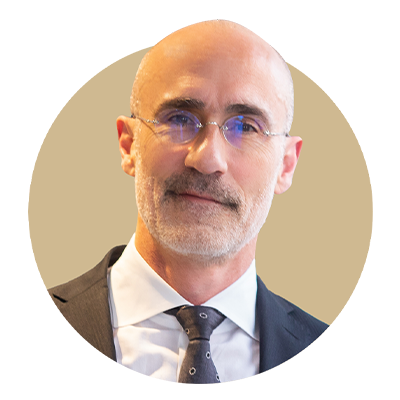
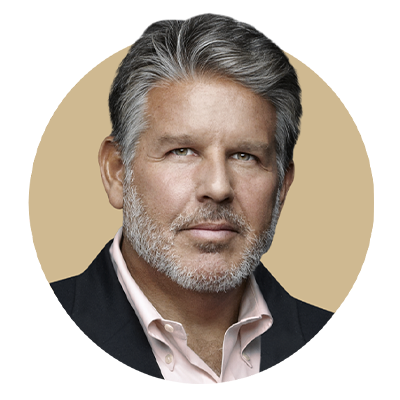
MEET OUR 2025 LEADERSHIP PANEL

This year’s conference features a distinguished group of influential leaders, including Joe Manchin, Mitch Daniels, Dr. Arthur C. Brooks, Jim McKelvey, Paul Ryan, Niall Ferguson, Jerome Adams, General Mark Milley, John Cochrane, Scott Gottlieb and Seema Verma.

Join us as we explore the key issues shaping America’s future. We will begin with an in-depth look into the science of happiness, revealing the complexities of fulfillment and uncovering the path to a life of deeper meaning. Next, engage in compelling discussions on the future of U.S. global influence and its evolving role in a changing world. Challenge your understanding of American healthcare through innovative solutions aimed at creating a more accessible, effective system. Explore how technology is transforming national defense, boosting economic stability, and driving innovation that will define the next era of progress. This is a rare opportunity to contribute to these topics alongside some of the most influential thinkers of our time.

OUR HOSTS
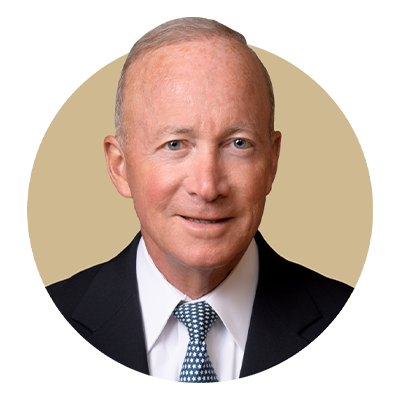
Mitch Daniels
Mitch Daniels

Mitch Daniels

Senior Advisor to the Liberty Fund, President Emeritus of Purdue University and a Former Governor of Indiana

Mitchell E. Daniels, Jr. served as a two-term governor of the state of Indiana from 2004 to 2012 and as the 12th president of Purdue University from 2013 to 2022. He currently serves as a Distinguished Scholar and Senior Advisor at the Liberty Fund. He was elected governor in his first bid for any elected office, and then re-elected with more votes than any candidate in the state’s history.
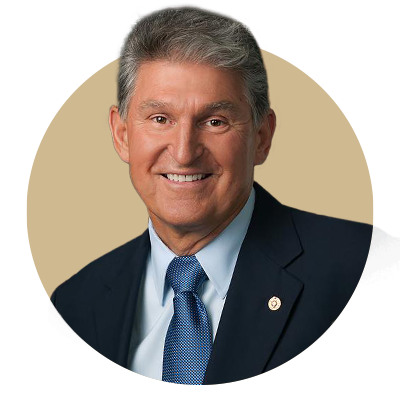
At Purdue, Daniels prioritized student affordability and reinvestment in the university’s strengths. He ended 36 straight years of rising prices by freezing tuition and mandatory fees at 2012 levels for all students. The freeze is still in place today. As a result, the total cost of attendance is lower today than in 2012, even without adjusting for inflation and aggregate student borrowing has declined 37%.

Prior to becoming governor, Daniels served as chief of staff to Senator Richard Lugar, senior advisor to President Ronald Reagan and Director of the Office of Management and Budget under President George W. Bush. He also was the CEO of the Hudson Institute and had an 11-year career as an executive at Eli Lilly and Company.

Daniels earned a bachelor’s degree from Princeton’s Woodrow Wilson School of Public and International Affairs and a law degree from Georgetown. He is the author of three books and a contributing columnist in the Washington Post.

He and his wife Cheri have four daughters and eight grandchildren.

Joe Manchin
Joe Manchin

Joe Manchin

Senior United States Senator from West Virginia

Joseph Manchin III served as a United States Senator for West Virginia from 2010 to 2025, bringing decades of leadership and a commitment to pragmatic, results-driven public service.  Throughout his tenure, he was a key member of the Senate Energy and Natural Resources Committee, where he served as Chair, as well as the Appropriations, Armed Services and Veterans’ Affairs Committees.  Prior to his time in the Senate, he served as the 34th Governor of West Virginia (2005-2010) and as West Virginia Secretary of State (2001-2005). 

A staunch advocate for bipartisanship and commonsense policymaking, Senator Manchin focused on energy security, economic development, and national defense. He championed an all-of-the-above energy strategy that harnessed coal, natural gas, nuclear, and renewables, while emphasizing innovation and sustainability to ensure both environmental and economic stability. His leadership helped shape policies that strengthened American energy independence, revitalized domestic manufacturing, and supported job creation in West Virginia and beyond. 

Beyond public office, Senator Manchin remains deeply committed to his home state, supporting education, workforce development, and civic engagement initiatives. He continues to advocate for responsible governance, fiscal accountability, and solutions that bridge the partisan divide. A graduate of West Virginia University with a degree in business administration, he has dedicated his life to fostering economic growth and ensuring that the American Dream remains within reach for future generations.

OUR SPEAKERS

Dr. Arthur C. Brooks

Dr. Arthur C. Brooks

Professor & Leader of the Leadership & Happiness Laboratory, Center for Public Leadership at Harvard University; Columnist for The Atlantic; Bestselling Author & Podcast Host, “How to Build a Happy Life”

Arthur Brooks is a professor at the Harvard Kennedy School and the Harvard Business School, where he teaches courses on leadership and happiness. He is also a columnist at The Atlantic, where he writes the popular weekly “How to Build a Life” column.
Arthur Brooks is a professor at the Harvard Kennedy School and the Harvard Business School, where he teaches courses on leadership and happiness. He is also a columnist at The Atlantic, where he writes the popular weekly “How to Build a Life” column.

Brooks is the #1 New York Times bestselling author of 13 books, including Build the Life You Want in 2023, co-authored with Oprah Winfrey, and From Strength to Strength: Finding Success, Happiness, and Deep Purpose in the Second Half of Life.

Brooks is one of the world’s leading experts on the science of human happiness, appearing in the media and traveling the world to teach people in private companies, universities, public agencies, and faith communities how they can live happier lives and bring greater well-being to others.

Mark Milley
Mark Milley

General Mark Milley

Retired United States Army General, 20th Chairman of the Joint Chiefs of Staff

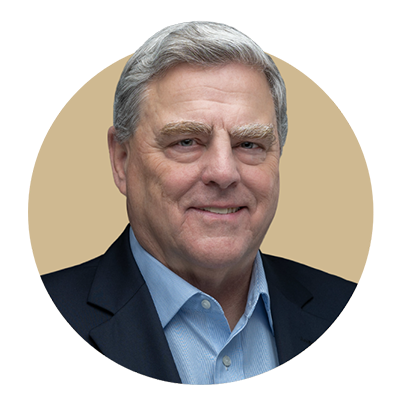
General (Ret.) Mark A. Milley most recently served as the 20th Chairman of the Joint Chiefs of Staff, the nation’s highest-ranking military officer, and the principal military advisor to the President, Secretary of Defense, and National Security Council. He retired Sept. 29, 2023.
Prior to becoming Chairman on October 1, 2019, General Milley served as the 39th Chief of Staff of the U.S. Army.

A native of Massachusetts, General Milley graduated from Princeton University in 1980, where he received his commission from Army ROTC.

General Milley has had multiple command and staff positions in six divisions and a Special Forces Group throughout the last 44 years to include command of the 1st Battalion, 506th Infantry, 2nd Infantry Division; the 2nd Brigade Combat Team, 10th Mountain Division; Deputy Commanding General, 101st Airborne Division (Air Assault); Commanding General, 10th Mountain Division; Commanding General, III Corps; and Commanding General, U.S. Army Forces Command.

While serving as the Commanding General, III Corps, General Milley deployed as the Commanding General, International Security Assistance Force Joint Command and Deputy Commanding General, U.S. Forces Afghanistan. General Milley’s joint assignments also include the Joint Staff operations directorate and as Military Assistant to the Secretary of Defense.

General Milley’s operational deployments include the Multi-National Force and Observers Task Force, Sinai, Egypt; Operation JUST CAUSE, Panama; Operation UPHOLD DEMOCRACY, Haiti; Operation JOINT FORGE, Bosnia-Herzegovina; Operation IRAQI FREEDOM, Iraq; and three tours during Operation ENDURING FREEDOM, Afghanistan. GEN Milley also deployed to Colombia, Somalia and served two years on the DMZ in the Republic of Korea.

In addition to his bachelor’s degree in political science from Princeton University, General Milley has a master’s degree in international relations from Columbia University and one from the U.S. Naval War College in national security and strategic studies. He is also a graduate of the MIT Seminar XXI National Security Studies Program. General Milley is currently a distinguished fellow in residence with the Security Studies Program in the School of Foreign Service at Georgetown University and a Charles and Marie Robertson visiting professor and visiting lecturer at the Princeton School of Public and International Affairs (SPIA).

Paul Ryan
Paul Ryan

Paul Ryan

Former Speaker of the United States House of Representatives

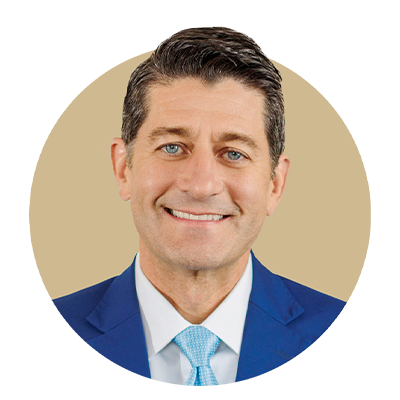
Paul Ryan was the 54th Speaker of the U.S. House of Representatives. In office from October 2015 to January 2019, he was the youngest speaker in nearly 150 years. During his tenure, Ryan spearheaded efforts to reform our nation’s tax code for the first time in a generation, rebuild our national defense, expand domestic energy production, combat the opioid epidemic, reform our criminal justice system, and promote economic opportunity.
Prior to becoming Speaker, he was chairman of the House Ways and Means Committee. As chairman Ryan worked to protect health care choices, advance free trade, and strengthen the economy. Before that, he served as chairman of the House Budget Committee, where he outlined revolutionary blueprints to balance the federal budget and pay off the national debt. In 2012, Ryan was selected to serve as Governor Mitt Romney’s Vice-Presidential nominee. First elected to Congress in 1998 at age 28, Ryan represented the people of Wisconsin’s First Congressional District for two decades.

In 2019, Ryan launched the American Idea Foundation, a non-partisan, not for profit organization that expands economic opportunity by partnering with local organizations and academics to advance evidence-based public policies. In 2020, Ryan was named as the Chairman of the Board of Directors of Executive Network Partnering Corporation and in 2021, he was named as a partner at Solamere Capital.

He is a member of the Board of Directors of the Fox Corporation, of SHINE Medical Technologies, LLC, and of UniversalCIS. Ryan also serves on the Advisory Board of Robert Bosch GmbH and is the vice chairman of Teneo, after previously serving as a senior advisor for the firm. He is also the author of the books The Way Forward: Renewing the American Idea and American Renewal: A Conservative Plan to Strengthen the Social Contract and Save the Country’s Finances.

Ryan is a Professor of the Practice at the University of Notre Dame and a visiting fellow in the practice of public policy at the American Enterprise Institute. Ryan serves on the Board of Trustees of the Ronald Reagan Presidential Foundation and Institute and on the Board of Directors for the Center for Strategic and International Studies.

Ryan and his wife Janna have three children: Liza, Charlie, and Sam. He holds a degree in economics and political science from Miami University in Ohio and was also awarded an honorary doctorate by the University.

Jerome Adams
Jerome Adams

Jerome Adams

Presidential Fellow, Executive Director of the Center for Community Health Enhancement and Learning, and Distinguished Professor of Practice at Purdue University, Former U.S. Surgeon General

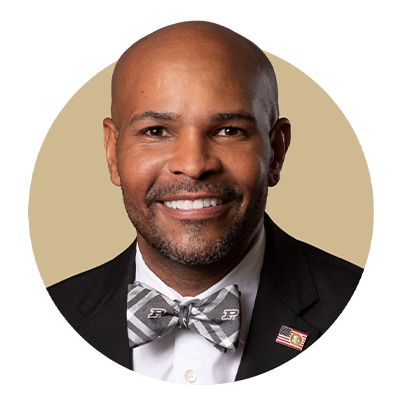
As the 20th U.S. Surgeon General and a prior member of the President’s Coronavirus task force, Dr. Adams has been at the forefront of America’s most pressing health challenges. A regular communicator via tv, radio, and in print, Dr. Adams is an expert not just in the science, but also in communicating the science to the lay public, and making it relevant to various audiences.
As the 20th U.S. Surgeon General and a prior member of the President’s Coronavirus task force, Dr. Adams has been at the forefront of America’s most pressing health challenges. A regular communicator via tv, radio, and in print, Dr. Adams is an expert not just in the science, but also in communicating the science to the lay public, and making it relevant to various audiences.

Dr. Adams is a licensed anesthesiologist with a master’s degree in public health, and ran the Indiana State Department of Health prior to becoming Surgeon General. In the State Health Commissioner role he managed a $350 million dollar budget and over 1000 employees, and led Indiana’s response to Ebola, Zika, and HIV crises. Notably, Dr. Adams helped convince the Governor and State Legislature to legalize syringe service programs in the state, and to prioritize $13 million in funding to combat infant mortality. As Surgeon General, Dr. Adams was the operational head of the 6000 person Public Health Service Commissioned Corps, and oversaw responses to 3 back to back category 5 hurricanes, and to a once in a century pandemic.

In addition to his recent COVID19 work, Dr. Adams has partnered with and assisted organizations as they navigate the opioid epidemic, maternal health, rising rates of chronic disease, the impacts of rising suicide rates in our Nation, and how businesses can become better stewards and stakeholders in promoting community health.

Jim Bullard
Jim Bullard

Jim Bullard

Dr. Samuel R. Allen Dean of the Mitch Daniels School of Business, Distinguished Professor of Service and Professor of Economics, Special Advisor to the President at Purdue University, Former president of the Federal Reserve Bank of St. Louis

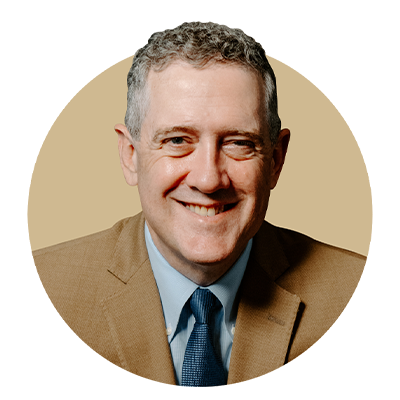
James “Jim” Bullard, Former President of the Federal Reserve Bank of St. Louis and one of the nation’s foremost economists and respected scholar-leaders, was chosen in July 2023 as the inaugural dean of the reimagined Mitchell E. Daniels, Jr. School of Business at Purdue University.
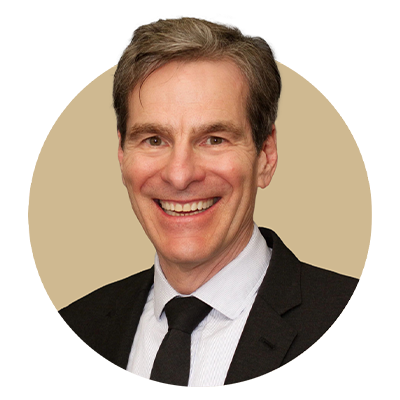
Bullard, who took the reins as the Dr. Samuel R. Allen Dean on August 15, is charged with inspiring, further developing and implementing Purdue’s reimagined approach to a top-ranked business school across undergraduate, graduate, executive and research programs, preparing tomorrow’s business leaders and entrepreneurs in the Daniels School that is grounded in the principles of free enterprise, free market economy in generating opportunities and prosperity, and in the hallmarks of a well-rounded Purdue education and with a particular emphasis on tech-driven, analytics-based business success.

To further reflect and to maximize the impact of Bullard’s unique, national leadership experience, he also serves as Special Advisor to the President of the university, reporting to President Mung Chiang in that capacity. Bullard is also a Distinguished Professor of Service and Professor of Economics in the Daniels School.

Serving 15 years as the sitting president and chief executive officer of the Federal Reserve Bank of St. Louis, Bullard earned significant praise and accolades for his long-standing leadership and innovative thinking as part of the Federal Open Market Committee (FOMC) in guiding the direction of U.S. monetary policy. A noted economist and scholar, Bullard had been the longest-serving Federal Reserve Bank president in the country and ranked as the seventh-most influential economist in the world in 2014. His scholarly impact has been based on research-based thinking and intellectual openness to new theories and explanations. That allowed Bullard to be an early voice for economic change, helping the Federal Reserve deftly navigate complex economic landscapes such as the COVID-19 pandemic and the financial crisis during his tenure.

Before becoming president in 2008, Bullard served in various roles at the Federal Reserve Bank of St. Louis, starting in 1990 as an economist in the research division and later serving as vice president and deputy director of research for monetary analysis. For 15 years, he directed the activities of the Federal Reserve’s Eighth District, which branches into several states, including an extensive portion of southern Indiana. While serving on the Federal Reserve’s Open Market Committee, Macroeconomic Advisers named Bullard the FOMC’s second biggest mover of markets in 2010 behind Chairman Ben Bernanke and the biggest mover of markets in 2011 and 2013.

During his time as an academic economist and financial policy scholar, Bullard’s research has appeared in premier journals, including the American Economic Review; the Journal of Monetary Economics; Macroeconomic Dynamics; and the Journal of Money, Credit and Banking. The majority of his research is some form of macroeconomic analysis, focusing on monetary policy, inflation/deflation, and macroeconomic stability.

Bullard served as an honorary professor of economics at Washington University in St. Louis, where he also sat on the advisory council of the economics department as well as several advisory boards. The St. Louis Post-Dispatch named him the Top Workplace Leader among the region’s large employers as part of its 2018 Top Workplace Awards. Active in the community, Bullard has served on the board of directors of Concordance Academy of Leadership in St. Louis and was formerly the board chair of the United Way U.S.A. He is co-editor of the Journal of Economic Dynamics and Control, a member of the editorial advisory board of the National Institute Economic Review and a member of the Central Bank Research Association’s senior council.

Born in Wisconsin, Bullard grew up in Forest Lake, Minnesota, and received his doctorate in economics from Indiana University in Bloomington. He holds Bachelor of Science degrees in economics and in quantitative methods and information systems from St. Cloud State University in St. Cloud, Minnesota.

John Cochrane
John Cochrane

John Cochrane

Rose-Marie and Jack Anderson Senior Fellow at the Hoover Institution, Stanford University

John H. Cochrane is the Rose-Marie and Jack Anderson Senior Fellow of the Hoover Institution at Stanford University. His monetary economics publications include the book The Fiscal Theory of the Price Level and articles on monetary policy.
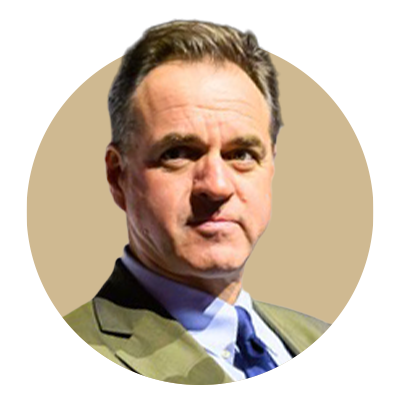
His finance publications include the book Asset Pricing, and articles on dynamics in stock and bond markets, the volatility of exchange rates, the term structure of interest rates, the returns to venture capital, liquidity premiums in stock prices, the relation between stock prices and business cycles, and option pricing. He has also written articles on macroeconomics, health insurance, time-series econometrics, financial regulation, and other topics. He was a coauthor of The Squam Lake Report. He writes occasional Op-eds, mostly in the Wall Street Journal, and blogs as “the Grumpy Economist” at grumpy-economist.com. He recently created the Coursera online course “Asset Pricing.”

Cochrane is also a Senior Fellow of the Stanford Institute for Economic Policy Research (SIEPR), Professor of Finance and Ecoomics (by Courtesy) at Stanford GSB, a Research Associate of the National Bureau of Economic Research, and an Adjunct Scholar of the CATO Institute. He is a past President and Fellow of the American Finance Association, and a Fellow of the Econometric Society. He has been an Editor of the Journal of Political Economy, and associate editor of several journals including the Journal of Monetary Economics, Journal of Business, and Journal of Economic Dynamics and Control. He was a director of the NBER asset pricing program. Awards include the Bradley Prize, the APEE Adam Smith award, the TIAA-CREF Institute Paul A. Samuelson Award for Asset Pricing, the Chookaszian Endowed Risk Management Prize, the Faculty Excellence Award for MBA teaching and the McKinsey Award for Outstanding Teaching.

Before coming to Hoover, Cochrane was the AQR Capital Management Distinguished Service Professor of Finance at the University of Chicago Booth School of Business, where he taught the MBA class “Advanced Investments” and a variety of PhD classes in Asset Pricing and Monetary Economics. Cochrane earned a Bachelor’s degree in Physics at MIT, and earned his Ph.D. in Economics at the University of California at Berkeley. He was at the Economics Department of the University of Chicago before joining the Booth School in 1994, and visited UCLA Anderson School of Management in 2000-2001.

Outside of academic pursuits Cochrane is a competition sailplane pilot, and enjoys cycling, windsurfing, skiing, and other outdoor activities.

Niall Ferguson
Niall Ferguson

Niall Ferguson

Milbank Family Senior Fellow at the Hoover Institution, Stanford University; Senior Fellow at the Belfer Center for Science and International Affairs at Harvard University

Niall Ferguson, MA, D.Phil., FRSE, is the author of 16 books including The Pity of War, The House of Rothschild and Kissinger, 1923-1968: The Idealist, which won the Council on Foreign Relations Arthur Ross Prize. He is a columnist with the Free Press. In addition he is the founder and managing director of Greenmantle, a New York-based advisory firm, a co-founder of the Latin American fintech company Uala, and a co-founding trustee of the new University of Austin.

He is an award-winning filmmaker, too, having received an international Emmy for his PBS series The Ascent of Money. His 2018 book, The Square and the Tower, was a New York Times bestseller and was also adapted for television by PBS as Niall Ferguson’s Networld. Between 2020 and 2024 he was a Bloomberg Opinion columnist, before joining The Free Press.

His latest book, Doom: The Politics of Catastrophe, was published in 2021 by Penguin and was shortlisted for the Lionel Gelber Prize. he is currently writing Kissinger: 1969-2023: The Player and serving as a visiting professor at the London School of Economics.

Jim McKelvey
Jim McKelvey

Jim McKelvey

Co-Founder, Block Inc., Founder, Invisibly

James M. McKelvey Jr. co-founded Block, Inc (formerly Square, Inc) in 2009. In 2016 and was appointed as an independent director of the Federal Reserve Bank of St. Louis in January 2017. In 2022, he was appointed to chair of the Federal Reserve Bank of St. Louis. McKelvey also founded Invisibly, a company allowing consumers to profit from their online data in 2017.
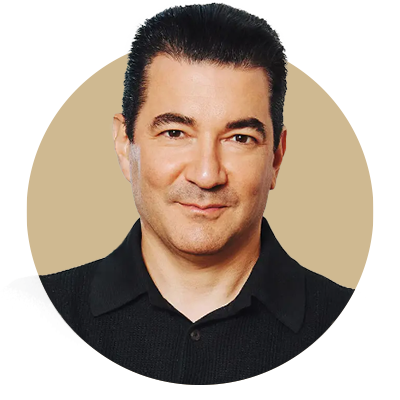
Prior to founding Block, Inc, McKelvey attended Washington University in St. Louis, MO. After graduating college, Jim worked as a contractor for IBM while also working as a glassblowing instructor. During that time he also founded Disconcepts, a cd-cabinet manufacturer. In 2002, Mckelvey co-founded Third Degree Glass Factory which functions as a glass blowing studio and gallery and private event space.

McKelvey is still an active Board of Directors member of Block, Inc. Mckelvey co-founded LaunchCode in 2013, which is a non-profit organization that helps grow new talent and give training and job opportunities to those who may not have a traditional background through apprenticeships. Mckelvey is also involved in philanthropy with his alma mater, Washington University.

Scott Gottlieb
Scott Gottlieb

Scott Gottlieb

MD, 23rd Commissioner of the U.S. Food and Drug Administration

Scott Gottlieb, MD is currently a senior fellow at the American Enterprise Institute for Public Policy Research and a partner at the venture capital firm New Enterprise Associates.
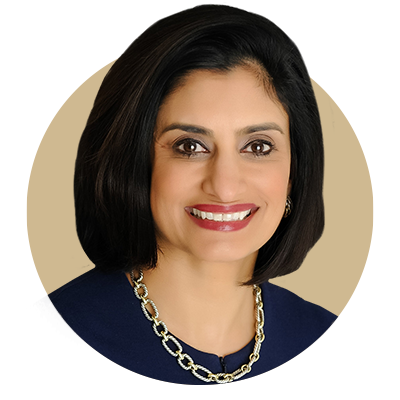
Under his leadership, the FDA advanced new frameworks for the modern oversight of gene therapies, cell-based medicines, and digital health devices. The agency implemented new reforms to standardize drug reviews and made historic improvements in post-market data collection and the use of real-world evidence. He promoted policies to reduce death and disease from tobacco, improve food safety, and aggressively confront addiction crises. The agency’s prolific advances in new policy distinguished his tenure as FDA Commissioner, along with a record-setting number of approvals for novel drugs, medical devices, and generic medicines.

Previously, Dr. Gottlieb served as the FDA’s Deputy Commissioner for Medical and Scientific Affairs and, before that, as a Senior Adviser to the Administrator of the Centers for Medicare and Medicaid Services. He is the author of the New York Times bestselling book “Uncontrolled Spread: Why Covid-19 Crushed Us and How We Can Defeat the Next Pandemic” and is a regular contributor to CNBC and CBS News’ Face the Nation. Dr. Gottlieb serves on the board of directors of publicly traded companies Pfizer, Inc., Illumina, Inc., and TempusAI.

Dr. Gottlieb is an elected member of the National Academy of Medicine and completed medical school and a residency in internal medicine at the Mount Sinai School of Medicine, where he currently serves on the executive committee of the Mount Sinai Health System’s board of directors and co-chairs the board’s education committee. He graduated from Wesleyan University, where he majored in economics, and currently serves on the university’s board of directors. Dr. Gottlieb lives in Connecticut with his wife and three daughters.

Seema Verma
Seema Verma

Seema Verma

General Manager and Senior Vice President, Oracle Life Sciences

Confirmed by the Senate in 2017, Seema Verma oversaw health insurance programs for over 140 million Americans; oversaw a budget of $1.3 trillion, almost a third of the federal budget; and over 6,000 employees. Verma was the architect of CMS’s strategic vision, implementing over sixteen tactical initiatives aimed at transforming the American healthcare system to lower costs, improve quality, and increase access.
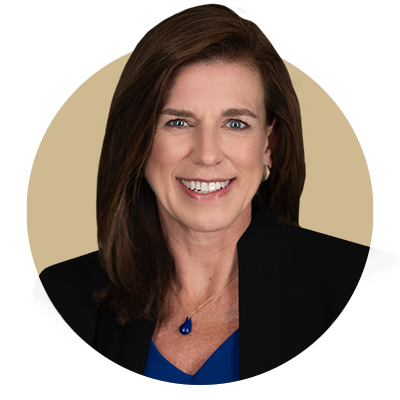
During her tenure, Verma led federal government efforts to infuse market competition, empower patients, and unleash innovation producing historic reforms. She also drove efforts to require price and quality transparency while ensuring patients have ownership over their portable medical records. Seema Verma’s historic “Patients Over Paperwork” initiative reduced regulatory burden and saved the healthcare system billions of dollars. Verma also worked to accelerate value-based care transformation and address the social determinants of health by advancing new payment models throughout CMS programs, including models for drug pricing that resulted in lower insulin prices. Under her leadership, premiums dropped in Medicare Advantage, Part D, and the insurance exchanges.

Verma also served on the White House COVID-19 Task Force where she led efforts to drive telehealth and remote care across the healthcare system while creating flexibility for health providers to augment the health care workforce, expand services and testing, and ensure access to vaccines and therapeutics.

Prior to CMS, Verma was the founder and CEO of a health policy consulting firm helping states and private industry on a range of healthcare issues. Verma has written extensively about a range of issues, publishing in the Wall Street Journal, Health Affairs, The Washington Post, and a variety of other publications. She has also made guest appearances on several news shows including Fox News, Fox Business, CNN, CBS, CNBC, and ABC.

Seema Verma attended undergrad at the University of Maryland, graduating with a B.S. in Life Sciences and going on to pursue a master’s degree in Public Health (MPH) with a concentration in health policy and management from Johns Hopkins University. Modern Healthcare ranked her as the “Most Influential Person in Healthcare” in 2019 and one of the nation’s Top 25 Women Leaders.

Kristin Forbes
Kristin Forbes

kristin forbes

Professor of Management at Global Economics, MIT Sloan School of Management

Kristin has regularly rotated between academia and senior policy positions. From 2014-2017 she was an External Member of the Monetary Policy Committee for the Bank of England. And from 2003 to 2005 she served as a Member of the White House’s Council of Economic Advisers. From 2001-2002 Forbes was a Deputy Assistant Secretary in the U.S. Treasury Department and over 2009-2014 she was a Member of the Governor’s Council of Economic Advisers for the State of Massachusetts.

In 2019, Forbes was named an Honorary Commander of the Order of the British Empire (CBE) by Her Majesty Queen Elizabeth II. She is currently the Convener of the Bellagio Group, a research associate at the NBER and CEPR, and a member of the Council on Foreign Relations. She also serves in a number of advisory positions, including for the Bank for International Settlements and International Monetary Fund. Forbes’ academic research addresses policy-related questions in international macroeconomics, including on monetary policy, macroprudential tools, capital flows, exchange rates, inflation, and contagion. She has won numerous teaching awards and teaches one of the most popular classes at MIT’s Sloan School. Before joining MIT, Forbes worked at the World Bank and Morgan Stanley. She received her PhD in Economics from MIT and graduated summa cum laude with highest honors from Williams College.
Peter Diamandis
Peter Diamandis

PETER H. DIAMANDIS, MD

Founder and Executive Chairman, XPRIZE Foundation

Peter is the Founder and Executive Chairman of the XPRIZE Foundation, which has launched $600 million in incentive prize competitions focused on solving humanity’s grand challenges. He is also the Executive Founder of Singularity University.

Diamandis is the creator and curator of Abundance360, Singularity’s highest-level membership, which mentors thousands of CEOs and entrepreneurs on AI, exponential tech, longevity and moonshots.
As an entrepeneur, Diamandis has started over 25 companies in the areas of health-tech, space, venture capital and education. Dr. Diamandis is Co-Founder and Chairman of Fountain Life, a fully-integrated platform delivering predictive, preventative, personalized and data-driven health. He serves as Co-Founder of two venture funds: BOLD Capital Partners a $600M fund, focused on biotech, and Exponential Ventures, a $500 million AI venture fund.

Diamandis is a New York Times Bestselling author of four books: Abundance, BOLD, the Future is Faster Than You Think and recently Life Force a #1 best-seller co-authored with Tony Robbins. His most recent book is titled Longevity Guidebook: How to Slow, Stop and Reverse Aging, and NOT DIE from Something Stupid.

He earned degrees in molecular genetics and aerospace engineering from MIT and holds an M.D. from Harvard Medical School. Diamandis’ favorite saying is “The best way to predict the future is to create it yourself.”

Francis Collins Headshot

DR. FRANCIS COLLINS

Physician, Geneticist, Former Director of the National Institutes of Health

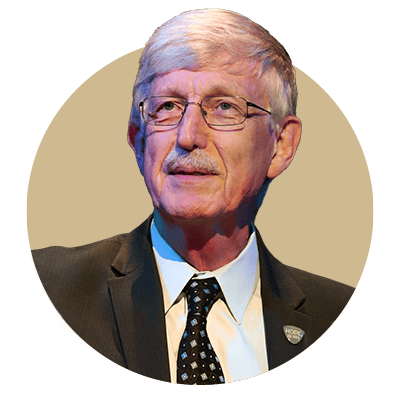
Dr. Francis Collins is a physician and geneticist known for his landmark discoveries of disease genes, for leading the Human Genome Project, for his 12 years as Director of the National Institutes of Health (NIH), and for championing the harmony of science and faith. He founded BioLogos, and currently serves that Foundation as a Senior Fellow. He continues to run an active research laboratory in the National Human Genome Research Institute at NIH.

Formerly an atheist, Collins became a Christian in his 20s after realizing that perspective did not provide answers to profound questions about the meaning of life, and was also inconsistent with observations about the nature of the universe and humankind. He wrote about finding harmony between the scientific and spiritual worldviews in The Language of God: A Scientist Presents Evidence for Belief, which spent 20 weeks on The New York Times bestseller list. Collins coined the term “biologos” to define the conclusions he reached about how life, or bios, came about through God’s word, or logos.  He founded the BioLogos Foundation in November 2007 and served as its President until required to resign by his appointment as NIH Director. BioLogos (www.biologos.org) continues to flourish as a non-profit meeting-place for productive and civil discussions about science and faith. 

Collins is one of the best-known scientists of the current era. With him at the helm from 1993 – 2003, the Human Genome Project produced a finished sequence of human DNA. He then used this new data to help create powerful tools and strategies to advance biological knowledge about humans and improve their health. Along with his research, Collins has also stressed the importance of considering the ethical and legal issues surrounding genetics.

Collins served as NIH Director under three Presidents (Obama, Trump, and Biden), stepping down in December 2021 after guiding the nation’s biomedical research in everything from basic science to clinical trials, including a historic series of research partnerships addressing diabetes, Alzheimer’s disease, cancer, neuroscience, precision medicine, and the COVID-19 pandemic. Subsequently, after 15 months as Acting Science Advisor and Special Projects Advisor to President Biden, Collins has returned to his research laboratory at NIH, investigating genetic factors in diabetes and premature aging.

Collins received a Bachelor of Science degree from the University of Virginia, a doctorate in physical chemistry from Yale University, and a medical degree from The University of North Carolina. He is an elected member of both the National Academy of Medicine and the National Academy of Sciences, was awarded the Presidential Medal of Freedom in November 2007, and received the National Medal of Science in 2009. In 2020, he was elected as a Foreign Member of the Royal Society (UK) and was also named the 50th winner of the Templeton Prize, which celebrates scientific and spiritual curiosity.

In addition to his book on science and faith, Collins has authored a book on personalized medicine, The Language of Life, published by HarperCollins in January 2010.  He also assembled an anthology of selected readings on faith and reason, entitled Belief, that was published by HarperOne in March 2010.  He is published The Road to Wisdom: On Truth, Science, Faith, and Trust in 2024. 


Era Dabla Portrait
Era Dabla Portrait

ERA DABLA-NORRIS

Deputy Director, Fiscal Affairs Department, International Monetary Fund

Era Dabla-Norris is Deputy Director in the Fiscal Affairs Department of the International Monetary Fund (IMF). In this capacity, she leads the work on multilateral surveillance of fiscal issues, including the IMF’s flagship Fiscal Monitor, and the work on fiscal policy and AI. Previously, she has held managerial positions in the Asia and Pacific, fiscal affairs, and Strategy, Policy, and Review departments.
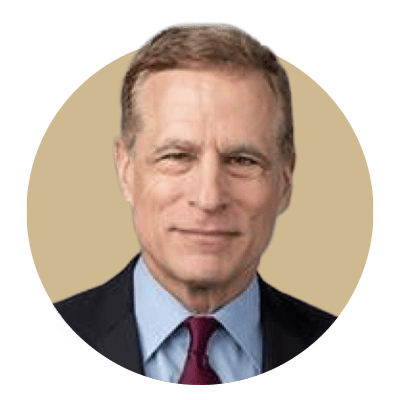
Her research has addressed topics including sovereign debt, fiscal adjustment, fiscal rules, and the political economy of fiscal policy. Since joining the IMF, she has worked on a range of countries and has published extensively in leading academic and policy-oriented journals. She is the editor of the book Debt and Entanglements. Her research has also been profiled regularly in leading global newspapers and magazines such as The Economist, Financial Times, Wall Street Journal, Bloomberg, BBC, and CNN. She is a contributing member of the Global Futures Council of the World Economic Forum. Ms. Dabla-Norris holds a Ph.D. in Economics from the University of Texas at Austin and M.A. in Economics from Delhi School of Economics.
Rob Kaplan headshot
Rob Kaplan headshot

ROB KAPLAN

Vice Chairman, Goldman Sachs

Rob Kaplan is Vice Chairman of Goldman Sachs and a member of the Management Committee. Previously, Mr. Kaplan served as President and CEO of the Federal Reserve Bank of Dallas. Before joining the Fed, he was the Martin Marshall Professor of Management practice and Senior Associate Dean at Harvard Business School (HBS).

Mr. Kaplan initially joined Goldman Sachs in 1983 and became a Partner in 1990. In 2002, he became Vice Chairman of the firm with global responsibility for the Investment Banking and Investment Management Divisions. He also served as Co-Chair of the Partnership Committee and Chair of the Goldman Sachs Pine Street Leadership Program. In 1998, Mr. Kaplan became Global Co-Head of Investment Banking and a member of the Management Committee. His previous roles included serving as Head of Asia Pacific Investment Banking, Co-Chief operating officer of global Investment Banking and Head of the Americas Corporate Finance Department.

Mr. Kaplan retired from the firm in 2006 to join HBS, becoming a Senior Director at that time.

Mr. Kaplan is Chairman of Project ALS and Co-Chairman of the Draper Richards Kaplan Foundation. He is a board member of Harvard Medical School and St. Mark’s School of Texas, and is a member of the George W. Bush Institute’s Advisory Council. He is also an Advisory Board member of the Baker Institute. He serves on the Bipartisan Policy Center President’s Council and on the Board of Directors at The Holdsworth Center.

Mr. Kaplan is the author of three books on leadership. What You Really Need to Lead, What You’re Really Meant to Do, and What to Ask the Person in the Mirror.

PEGGY NOONAN

Writer, Wall Street Journal Columnist

Peggy Noonan is a writer and Wall Street Journal columnist. For her work at that newspaper she has been awarded the Pulitzer prize. She is the author of ten books on American politics and culture, from her first, “What I Saw at the Revolution“, in 1990 to her 2024 collection, “A Certain Idea of America.”

She was a Special Assistant and speechwriter to president Ronald Reagan. Before that she was a write and producer at CBS News in New York. She has been a fellow at Harvard’s Institute of Politics, and taught world history at Yale’s Grand Strategies course. She lives in New York.

Frontier Summit Chronicler

William D. Cohan
William D. Cohan

William D. Cohan

Business Writer, Former Investment Banker

William D. Cohan, a former senior Wall Street M&A investment banker for 17 years at Lazard Frères & Co., Merrill Lynch and JPMorganChase, is the New York Times bestselling author of five non-fiction narratives: three about Wall Street: Money and Power: How Goldman Sachs Came to Rule the World; House of Cards: A Tale of Hubris and Wretched Excess on Wall Street; and, The Last Tycoons: The Secret History of Lazard Frères & Co., the winner of the 2007 FT/Goldman Sachs Business Book of the Year Award.

His book, The Price of Silence, about the Duke lacrosse scandal was published in April 2014 and was also a New York Times bestseller. His 2022 book Power Failure: The Rise and Fall of an American Icon, about the rise and fall of GE, once the world’s most powerful, valuable and important company, was published in November 2022 by PenguinRandomHouse. It was long-listed for the 2022 FT Business Book of the Year Award. It was a New York Times bestseller and on the best book of the year lists published by The New Yorker, The Economist, The Financial Times and the Dealbook section of the New York Times. His new book, Apollo Unbound, is about Leon Black and the Wall Street powerhouse, Apollo Global Management, and will be published in 2025.

He is also the author of Why Wall Street Matters, which was published by Random House in February 2017. His book, Four Friends, about what happened to four of his friends from Andover, his high school, was published by Flatiron Press, a division of Macmillan Publishers, in July 2019.

Cohan is also a founding partner of Puck, a digital publication owned and operated by journalists, and a writer-at-large for Air Mail. For 13 years, he was a special correspondent at Vanity Fair. He also writes, or has written, for ProPublica, The Financial Times, The New York Times, Institutional Investor, Bloomberg BusinessWeek, The Atlantic, Fast Company, The Nation, Fortune, Politico, ArtNews, and Barron’s. He previously wrote a bi-weekly opinion column for The New York Times, an opinion column for BloombergView, as well as for the Dealbook section of the New York Times. He appears on CNN, on MSNBC and the BBC-TV. He has also appeared three times as a guest on the Daily Show, with Jon Stewart, The NewsHour, The Charlie Rose Show, The Tavis Smiley Show, and CBS This Morning as well as on numerous NPR, BBC and Bloomberg radio programs. He was formerly a contributing editor for Bloomberg TV and CNBC.

He is a graduate of Phillips Academy (Andover), Duke University, Columbia University School of Journalism and the Columbia University Graduate School of Business. He grew up in Worcester, Massachusetts and now lives in New York City with his wife and, more occasionally these days, his two sons.

3-Day Agenda

Conversations exploring the intersection of technology, economics, and social trends.